
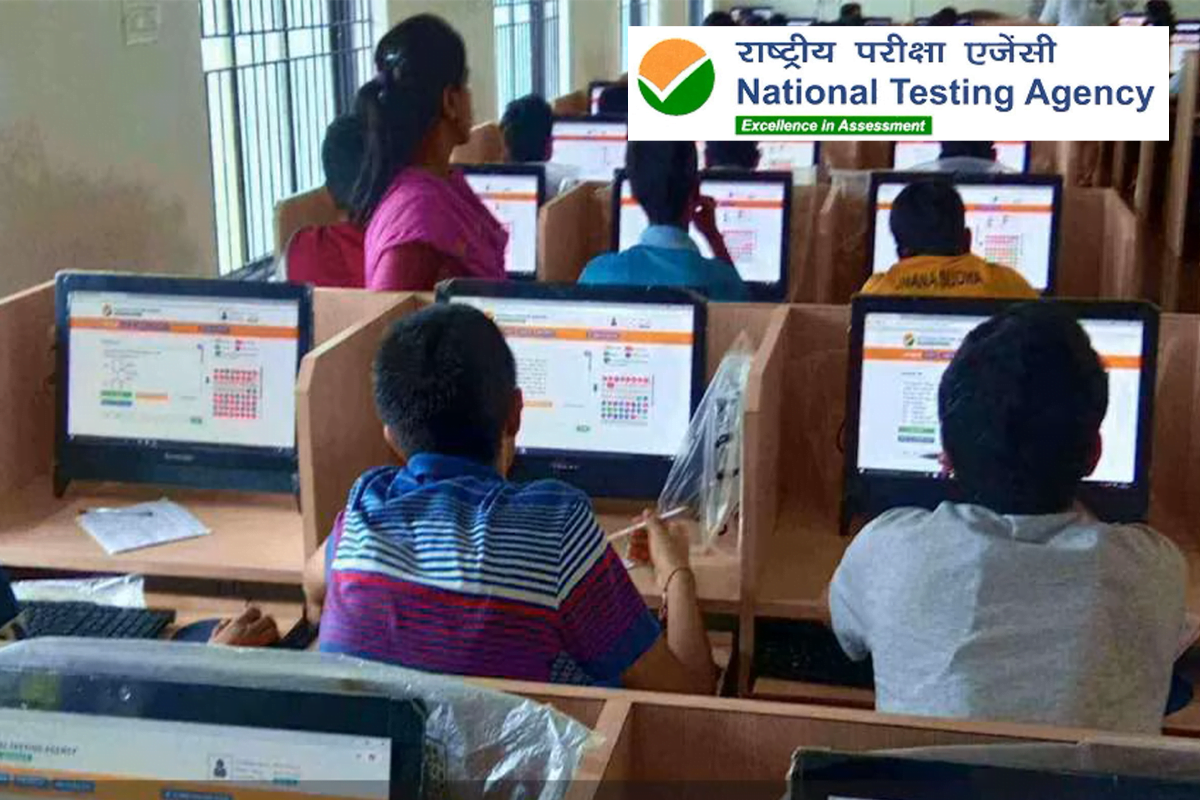
About NEET (National Eligibility cum Entrance Test)
The NEET (National Eligibility cum Entrance Test) is an all-India entrance examination conducted by the National Testing Agency (NTA) for students seeking admission to undergraduate medical and dental courses (MBBS and BDS) in government and private medical colleges in India. Here’s an overview of the NEET entrance exam:

Understand the Exam Pattern and Syllabus
- Mode: Pen and paper-based test.
- Duration: 3 hours and 20 minutes.
- Subjects: The exam consists of three sections: Physics, Chemistry, and Biology (Botany and Zoology).
- Questions: There are 200 multiple-choice questions (MCQs), with 180 questions to be attempted (35 + 15 questions from each section).
- Marking Scheme: Each correct answer awards 4 marks, and 1 mark is deducted for each incorrect answer.
1. Syllabus:
- The NEET syllabus is based on the NCERT curriculum for Classes 11 and 12.
- The subjects covered include:
- Physics: Topics like Mechanics, Electrodynamics, Modern Physics, Thermodynamics, and Optics.
- Chemistry: Topics include Physical Chemistry, Inorganic Chemistry, and Organic Chemistry.
- Biology: Divided into Botany and Zoology, covering topics such as Cell Biology, Genetics, Ecology, Human Physiology, Plant Physiology, and Reproduction.
2. Create a Study Plan
- Timetable: Develop a balanced timetable that covers all subjects. Allocate more time to difficult subjects and less familiar topics.
- Daily Goals: Set specific, achievable daily study goals to ensure consistent progress.
- Regular Revision: Include regular revision sessions in your timetable to reinforce learning.
3. Use Quality Study Materials
- NCERT Textbooks: Thoroughly study NCERT textbooks for Class 11 and 12 as they form the basis of the NEET-UG syllabus.
- Reference Books: Use additional reference books for deeper understanding and practice. Recommended books include:
- Physics: “Concepts of Physics” by H.C. Verma, “Objective Physics” by D.C. Pandey
- Chemistry: “Physical Chemistry” by O.P. Tandon, “Organic Chemistry” by Morrison and Boyd, “Concise Inorganic Chemistry” by J.D. Lee
- Biology: “Biology Vol 1 & Vol 2” by Trueman, “Objective Biology” by Dinesh
4. Practice Regularly
- Mock Tests: Take regular mock tests to simulate the exam environment, improve time management, and assess your preparation level. Analyze your performance to identify weak areas.
- Previous Year Papers: Solve previous years’ NEET question papers to understand the exam pattern, frequently asked questions, and important topics.
- Sample Papers: Practice with sample papers and model tests available in books and online resources.
5. Effective Study Techniques
- Active Learning: Engage in active learning methods such as summarizing, questioning, and teaching others.
- Mind Maps and Notes: Create mind maps, flowcharts, and concise notes for quick revision and better retention.
- Regular Breaks: Take regular breaks to avoid burnout and maintain productivity.
6. Focus on Weak Areas
- Identify Weaknesses: Use mock tests and self-assessment to identify weak areas.
- Targeted Practice: Spend extra time working on subjects and topics you find challenging.
7. Time Management
- Daily Routine: Establish a consistent daily routine that balances study, rest, and leisure.
- Exam Time Management: During the exam, allocate time to each section and question based on its difficulty and importance.
8. Maintain Health and Well-being
- Healthy Diet: Maintain a balanced diet to keep your energy levels up.
- Exercise: Incorporate physical exercise into your routine to reduce stress.
- Sleep: Ensure adequate sleep for better concentration and memory.
9. Stay Positive and Motivated
- Positive Mindset: Maintain a positive attitude and believe in your abilities.
- Motivation: Keep yourself motivated by reminding yourself of your goals and aspirations.
- Support System: Seek support from family, friends, and mentors.
Recommended Books and Resources
- Physics:
- “Concepts of Physics” by H.C. Verma
- “Objective Physics” by D.C. Pandey
- Chemistry:
- “Physical Chemistry” by O.P. Tandon
- “Organic Chemistry” by Morrison and Boyd
- “Concise Inorganic Chemistry” by J.D. Lee
- Biology:
- “Biology Vol 1 & Vol 2” by Trueman
- “Objective Biology” by Dinesh
Online Resources and Platforms
- Khan Academy: Free educational videos and practice exercises.
- Embibe: Offers AI-based personalized learning and practice tests.
- Unacademy: Online coaching and study material for NEET-UG.
- BYJU’s: Comprehensive study material and interactive videos for NEET preparation.
Application Process:
- Candidates can apply online through the official NTA NEET website.
- The application process involves filling out personal and academic details, uploading scanned documents, and paying the application fee.
Direct Links
By following these strategies and tips, you can enhance your preparation and increase your chances of success in NEET-UG 2024. Stay consistent, focused, and positive throughout your preparation journey.
Check More Entrance Exam Test Information Click Here